
The Future of Batteries: How Organic Batteries Are Changing the Game
Batteries power almost every aspect of modern life: smartphones, laptops, electric vehicles, smartwatches, and even large-scale energy storage solutions for renewable energy.

Why We Need a Battery Revolution
Batteries power almost every aspect of modern life: smartphones, laptops, electric vehicles, smartwatches, and even large-scale energy storage solutions for renewable energy. But traditional batteries, particularly lithium-ion batteries, come with significant problems:
❌ Environmental impact: Mining metals like lithium and cobalt leads to habitat destruction, pollution, and resource depletion.
⚡️ Resource limitations: Lithium and cobalt are finite and their availability depends on specific regions, leading to supply chain issues.
🔴 Toxicity and waste: Used batteries contribute to electronic waste, and recycling is expensive and inefficient.
⚠️ Safety risks: Lithium-ion batteries can overheat, catch fire, or explode, as seen in some high-profile incidents.
So, what if we could create safer, cheaper, and more sustainable batteries? That’s where organic batteries come in.
In this article, we’ll dive into what organic batteries are, how they work, their advantages, current research breakthroughs, and what the future holds for this exciting technology.
What Are Organic Batteries?
Organic batteries are carbon-based energy storage devices that use organic molecules instead of metal-based compounds. Unlike traditional batteries that rely on metal oxides (like lithium-ion or nickel-cadmium batteries), organic batteries use materials like:
- Carbon-based polymers
- Biodegradable molecules
- Redox-active organic compounds (compounds that can easily gain or lose electrons)
These organic materials can be sourced from biodegradable or renewable sources, making them eco-friendly and more sustainable than traditional batteries.
🌱 Key Differences Between Organic and Traditional Batteries
| Feature | Traditional Batteries | Organic Batteries |
|---|---|---|
| Main Material | Lithium, Cobalt, Nickel | Carbon-based organic molecules |
| Availability | Limited to certain regions | Abundant & renewable |
| Environmental Impact | High (toxic mining, waste) | Low (sustainable, biodegradable) |
| Safety | Can overheat & explode | Safer, non-toxic |
| Flexibility | Rigid, heavy | Can be lightweight & flexible |
Why Organic Batteries Are the Future
1. Eco-Friendly and Sustainable
🌿 Less Mining, Less Damage: Unlike lithium-ion batteries, which require extensive mining operations, organic batteries use naturally occurring or synthetic organic materials that don’t deplete the Earth’s resources.
🌳 Biodegradability: Many organic compounds break down naturally, reducing battery waste pollution.
2. Cheaper & More Accessible Materials
💲 No Expensive Metals: Traditional batteries require lithium and cobalt, which are limited and expensive. Organic batteries use carbon-based materials that can be synthesized from renewable sources.
🚀 Local Manufacturing: With organic materials, countries can produce their own batteries without relying on specific mining regions, making supply chains more resilient.
3. Safer & More Flexible
🏢 Non-Toxic & Fire-Resistant: No risk of dangerous chemical leaks or explosions, unlike lithium-ion batteries.
🌀 Bendable & Flexible: Organic batteries can be thin, stretchable, and even transparent, making them ideal for next-gen wearables, foldable phones, and medical devices.
4. Faster Charging & Longer Lifespan
🌟 Rapid Charging: Many organic battery designs charge faster than lithium-ion.
💪 Longer Lifespan: They have a higher cycle life, meaning they last more charging cycles before degrading.
%
job satisfaction
A survey conducted by the American Psychological Association found that nearly 70% of employees believe that work-life balance is a critical factor in their job satisfaction, and employees with a good work-life balance are 21% more productive than those without.
%
reduction in absenteeism
According to the 2023 Global Employee Well-Being Index, companies with comprehensive well-being programs see a 56% reduction in absenteeism and a 27% increase in employee retention, highlighting the significant impact of well-being initiatives on overall employee performance and loyalty.
How Do Organic Batteries Work?
Organic batteries function using redox reactions, just like conventional batteries, but with organic compounds acting as the electron donors and acceptors.
🔋 Main Components of an Organic Battery
- Organic Electrodes: Instead of metal oxides, organic electrodes store and release energy through redox reactions.
- Electrolytes: The medium that carries charge (can be water-based or solid-state).
- Organic Conductors: Organic materials that help electrons move through the battery.
Types of Organic Batteries
🔄 Organic Redox Flow Batteries (ORFBs)
- Store energy in liquid organic molecules
- Ideal for large-scale energy storage (solar/wind farms)
🧀 Organic Lithium-Ion Batteries
- Replace metal-based cathodes with organic materials
- Work like lithium-ion but greener and safer
🎨 Polymer-Based Organic Batteries
- Use conductive polymers for flexible applications
- Great for wearable tech
Future of Organic Batteries
🚀 Future Applications of Organic Batteries
📱 Smartphones & Laptops – Faster charging, safer, and more eco-friendly devices.
🏠 Renewable Energy Storage – Storing solar & wind energy for 24/7 power.
👨💼 Wearable Tech – Smartwatches & health trackers powered by flexible organic batteries.
🚗 Electric Vehicles – Sustainable, high-performance EV batteries.
🛠 Challenges & What’s Next
👁 Stability Issues – Some organic materials degrade over time.
💪 Energy Density – Needs improvement to match lithium-ion batteries.
🏢 Scaling Production – Making organic batteries affordable and mass-producible is key.
🎉 Final Thoughts: Are Organic Batteries the Future?
Organic batteries are on the rise, offering safer, greener, and cheaper alternatives to traditional batteries. As research progresses, we can expect longer-lasting, flexible, and biodegradable batteries powering our future devices.
Would you switch to an organic battery-powered phone or car? Let us know! 📲🚀
Conclusion
Agile auditing is a transformative approach that allows audit departments to be more flexible, responsive, and aligned with organizational priorities. By focusing on collaboration, continuous feedback, and delivering value incrementally, Agile auditing offers a significant improvement over traditional audit methods.
However, implementing Agile auditing is not without its challenges. Cultural resistance, resource constraints, and the risk of compromising audit quality are all factors that organizations must navigate carefully. With the right mindset, leadership, and tools, Agile auditing can become a powerful tool for organizations to better manage risks and deliver timely, relevant insights to stakeholders.
References
- Catlin, Raven, and Watkins, Ceciliana. Agile Auditing: Fundamentals and Applications. Wiley
- PricewaterhouseCoopers. Staying the Course Toward True North: Navigating Disruption. State of the Internal Audit Profession Study
- Agile Alliance. “Manifesto for Agile Software Development.” agilemanifesto.org.
- Schwaber, Ken, and Jeff Sutherland. The Scrum Guide. Scrum Inc.
- Project Management Institute. A Guide to the Project Management Body of Knowledge (PMBOK Guide), 6th Edition. PMI
- Wright, Rick. Agile Auditing: Transforming the Internal Audit Process. Internal Auditor Magazine
Wanna know more? Let's dive in!
[dsm_gradient_text gradient_text="The Cobot Conundrum: How AI is Rewriting the Rules of Robot Safety in the Age of Recycling" _builder_version="4.27.5" _module_preset="default" header_font="Questrial|||on|||||" header_text_align="center" header_letter_spacing="5px"...
Newsletter 2
[dsm_gradient_text gradient_text="Ms Matter Newsletter 2026 #1" _builder_version="4.27.4" _module_preset="default" header_font="Questrial|||on|||||" header_text_align="center" header_font_size="36px" header_letter_spacing="5px" filter_hue_rotate="100deg"...

Your AI Ready for the Future? Inside the New AI Maturity Model
[dsm_gradient_text gradient_text="Your AI Ready for the Future? Inside the New AI Maturity Model" _builder_version="4.27.0" _module_preset="default" header_font="Questrial|||on|||||" header_text_align="center" header_letter_spacing="5px" filter_hue_rotate="100deg"...

Cooling the Future: How AI Makes Data Centers Greener
[dsm_gradient_text gradient_text="Cooling the Future: How AI Makes Data Centers Greener" _builder_version="4.27.0" _module_preset="default" header_font="Questrial|||on|||||" header_text_align="center" header_letter_spacing="5px" filter_hue_rotate="100deg"...

When Cars Became Code: How AI is Redefining Automotive Production
[dsm_gradient_text gradient_text="When Cars Became Code: How AI is Redefining Automotive Production" _builder_version="4.27.0" _module_preset="default" header_font="Questrial|||on|||||" header_text_align="center" header_letter_spacing="5px" filter_hue_rotate="100deg"...
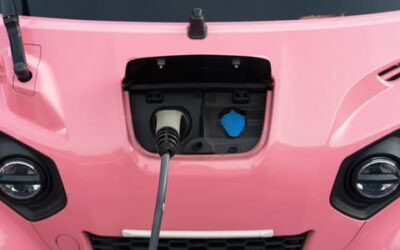
Supercharged Smarts: How AI Is Rewiring Electric Vehicle Batteries
[dsm_gradient_text gradient_text="Supercharged Smarts: How AI Is Rewiring Electric Vehicle Batteries" _builder_version="4.27.0" _module_preset="default" header_font="Questrial|||on|||||" header_text_align="center" header_letter_spacing="5px" filter_hue_rotate="100deg"...

New Zealand 2025
Duration: 2 weeks Cities: Christchurch, Hokitika, Kaikōura, Westport, Te Waipounamu, Nelson, Timaru Miles Travelled: 30 000Traveling through parts of New Zealand’s South Island offers a rich tapestry of history, landscape, and local character that leaves a quiet...

Resolving Die Peel Issues in an Automotive & Aerospace Electronics Manufacturing Plant
Background A global electronics manufacturer supplying critical components to the automotive and aerospace industries received multiple customer complaints regarding the premature failure of transistor-based power modules. Field analysis revealed that the root cause...

Transforming a Dysfunctional Quality Team in Automotive and Aerospace Manufacturing
Background The quality department of a Tier-1 manufacturer in the automotive and aerospace sectors was expected to ensure strict compliance to both customer and regulatory standards. Instead, it became a bottleneck plagued by poor collaboration, low morale, and high...

Resolving Customer Complaints Related to Electrical Connector Module Failures
Background ElectroTech, a manufacturer of electrical distribution components, including connector modules for power systems, received a major customer complaint regarding intermittent connection failures in one of its core electric product lines. The failures led to...

Singapore 2019
Duration: 3 days Cities: Singapore Miles Travelled: 6,300Visiting Singapore was like stepping into the future while still being surrounded by rich history and culture. From the moment I arrived at Changi Airport, with its indoor waterfalls and lush gardens, I knew...

Hawaii 2015
Duration: 2 weeks Cities: Honolulu Miles Travelled: 7,000Our trip to Hawaii was truly a once-in-a-lifetime experience, filled with breathtaking landscapes, warm hospitality, and unforgettable moments. We stayed in Honolulu on the island of Oahu, where the vibrant mix...